The Two World Wars: Global Conflict And Transformation, 1914–1945


The Two World Wars: Global Conflict And Transformation, 1914–1945

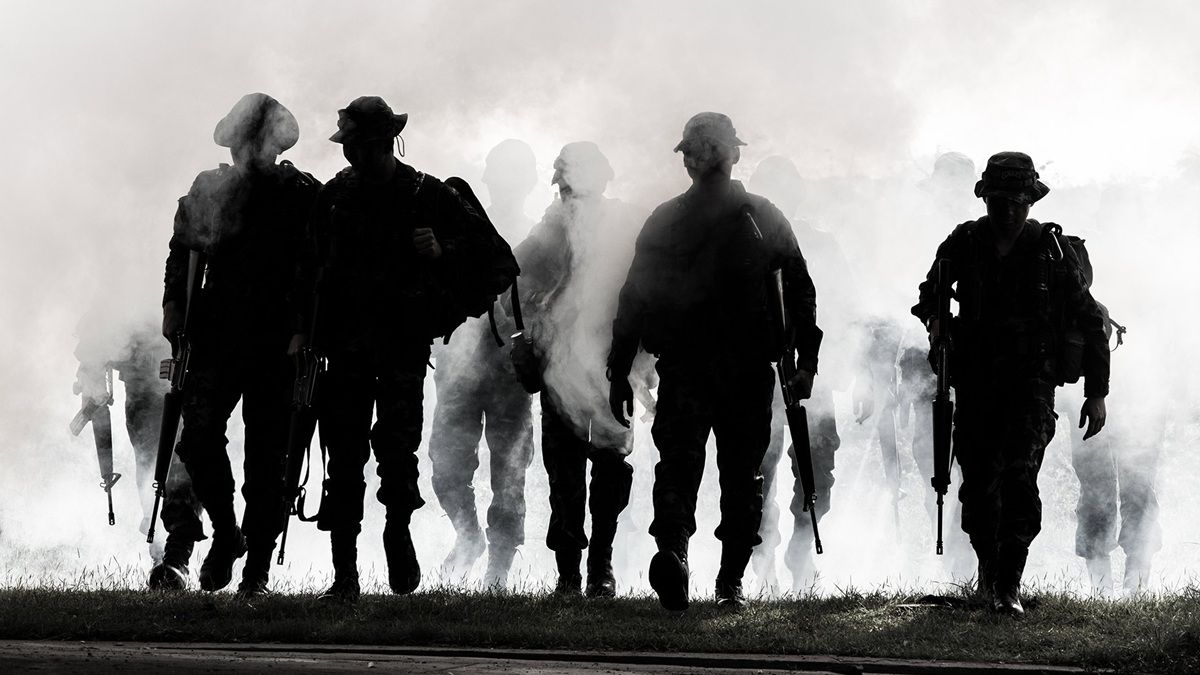
This summer school program aims to examine the causes, course, and consequences of the First and Second World Wars from a global historical perspective. Rather than focusing solely on a chronological narration of battles and events, the program explores broader themes such as shifting alliances, strategic innovation, total war, imperial transformations, ideological struggles, and post-war reconstruction processes.

Throughout the 24-hour program, participants will analyze both military and societal dimensions of the wars through selected case studies from Europe, the Middle East, Asia, and Africa. Supported by academic literature and historical case analyses, the program seeks to provide participants with a deeper understanding of how the two world wars shaped the modern global order. Participants who meet the attendance requirement will receive a Certificate of Participation.

Apply Now

This course examines the causes, conduct, and consequences of the First and Second World Wars from a global historical perspective. Rather than retelling battles and timelines, we focus on major themes: shifting alliances, strategic innovation, total war, empire, ideology, revolution, and post-war reconstruction. Emphasis will be placed on both military and civilian experiences, drawing on case studies from Europe, the Middle East, Asia, and Africa.

Day 1 – Origins of the First World War: Alliances, Mobilization, and Miscalculation

  • Clark, Christopher. “The Sleepwalkers: How Europe Went to War in 1914”. New York: Harper, 2012. Chapter 12, 561–610.
  • Steiner, Zara. “The Lights That Failed: European International History, 1919–1933”. Oxford: Oxford University Press, 2005. 1–34.

Day 2 – Technology, Trench Warfare, and the Challenge of Victory

  • Keegan, John. “The First World War”. New York: Knopf, 1998. Chapter 4, 167–210.
  • Stevenson, David. “1914–1918: The History of the First World War”. London: Penguin, 2004. Chapter 5, 190–221.

Day 3 – Total War and the Home Front

  • Winter, Jay. “The Great War and the British People”. Cambridge, MA: Harvard University Press, 1986. Chapter 3, 91–122.
  • Grayzel, Susan R. “Women and the First World War”. London: Longman, 2002. Chapter 2, 40–66.

Day 4 – Revolutions and Endgames: Russia, Germany, Ottoman Empire

  • Hobsbawm, Eric. “The Age of Extremes: The Short Twentieth Century, 1914–1991”. London: Abacus, 1994. Chapter 1, 21–49.
  • Zürcher, Erik-Jan. “Turkey: A Modern History”. London: I.B. Tauris, 2004. Chapter 7, 160–184.

Day 5 – Road to WWII: Versailles, Fascism, Appeasement

  • Steiner, Zara. “The Triumph of the Dark: European International History, 1933–1939”. Oxford: Oxford University Press, 2011. Chapter 5, 121–150.
  • Tooze, Adam. “The Wages of Destruction: The Making and Breaking of the Nazi Economy”. New York: Penguin, 2006. Introduction, 1–20.

Day 6 – Coalition Warfare and the Allied Response

  • Murray, Williamson, and Allan R. Millett. “A War to Be Won: Fighting the Second World War”. Cambridge, MA: Belknap Press, 2000. Chapter 7, 187–220.
  • Weinberg, Gerhard L. “A World at Arms: A Global History of World War II”. Cambridge: Cambridge University Press, 2005. Chapter 10, 411–438.

Day 7 – Strategic Bombing, Submarine War, and the Battle of the Atlantic

  • Symonds, Craig L. “The Battle of the Atlantic: How the Allies Won the War”. Oxford: Oxford University Press, 2018. Chapter 5, 127–155.
  • Biddle, Tami Davis. “Rhetoric and Reality in Air Warfare: The Evolution of British and American Ideas about Strategic Bombing, 1914–1945”. Princeton: Princeton University Press, 2002. Chapter 6, 213–240.

Day 8 – Postwar Orders: From Nuremberg to the Cold War

  • Mazower, Mark. “Governing the World: The History of an Idea”. New York: Penguin, 2012. Chapter 8, 249–278.
  • Judt, Tony. “Postwar: A History of Europe Since 1945”. New York: Penguin, 2005. Introduction, 1–21.
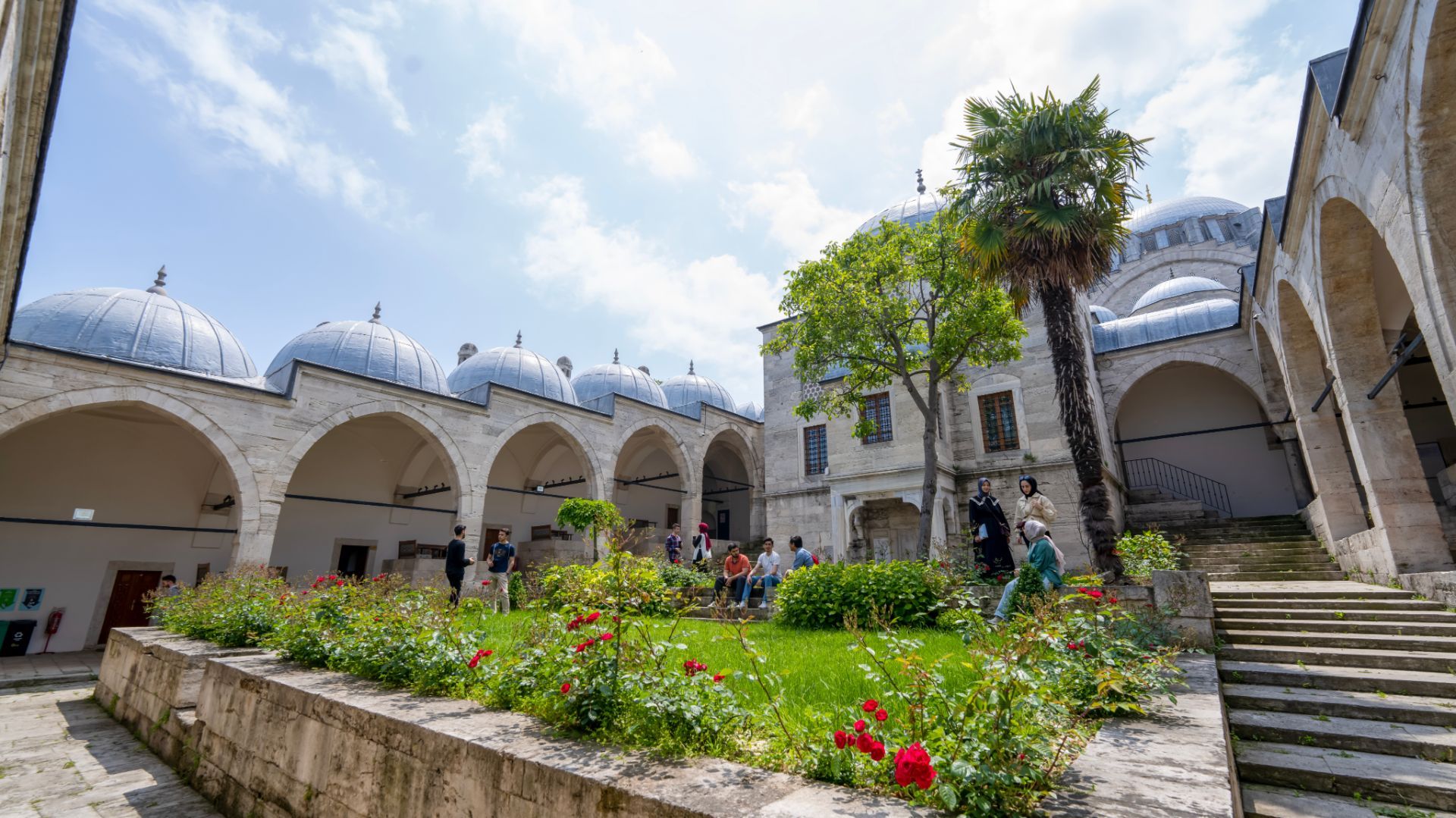
The training will be conducted in person at Ibn Haldun University’s Süleymaniye Campus.

An 80% attendance requirement applies to the training. Participants who fulfill this requirement will be awarded a Certificate of Participation.

Language of Course: English
Tuition: 14.000 TL
Course Duration: 24 hours

Quota
The quota is limited to 25 participants, and the first 25 applicants who complete the payment will be admitted to the training. If the quota is filled, registrations will be transferred to the next program.

Coordinator of the Program: Assoc. Prof. Günhan Börekçi
Lecturer: Assoc. Prof. Günhan Börekçi

Final registration will be completed after payment is made. Participants who do not complete the payment will not be considered officially enrolled in the training.

About Refund
As our quota is limited, refund requests from participants who have completed their final registration by making the payment cannot be accommodated, except in emergency situations.


DATE DAY HOURS LECTURER
29th June 2026 Monday 10:30 – 13:30 Doç. Dr. Günhan Börekçi
1st July 2026 Wednesday 10:30 – 13:30 Doç. Dr. Günhan Börekçi
6th July 2026 Monday 10:30 – 13:30 Doç. Dr. Günhan Börekçi
8th July 2026 Wednesday 10:30 – 13:30 Doç. Dr. Günhan Börekçi
13th July 2026 Monday 10:30 – 13:30 Doç. Dr. Günhan Börekçi
16th July 2026 Thursday 10:30 – 13:30 Doç. Dr. Günhan Börekçi
20 Temmuz 2026 20th July 2026 Pazartesi Monday 10:30 – 13:30 Doç. Dr. Günhan Börekçi
22 Temmuz 2026 22nd July 2026 Çarşamba Wednesday 10:30 – 13:30 Doç. Dr. Günhan Börekçi

Training Venues

Our centers where this training program is offered

Our Instructors

You can review the instructors who deliver this training program.

Apply Now