War and Society Since 1800: A Global History
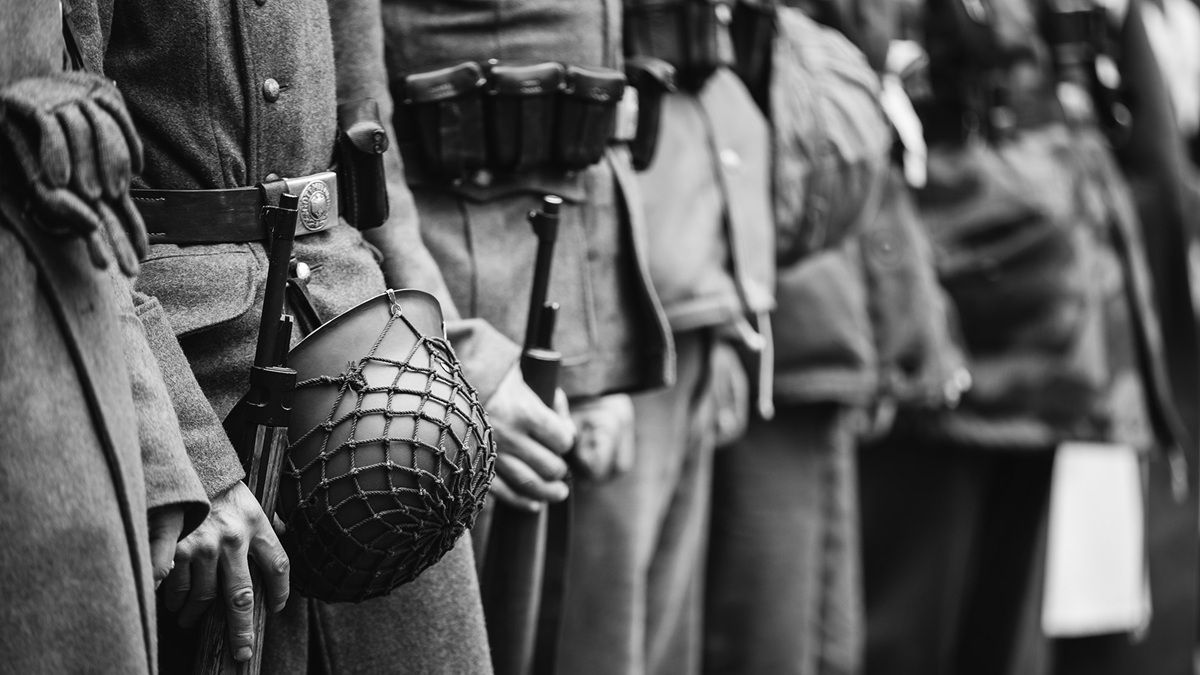

War and Society Since 1800: A Global History

Bu program, 1800 yılından günümüze kadar savaşın toplumlar üzerindeki sosyal, kültürel ve kurumsal etkilerini incelemeyi amaçlamaktadır. Program, askeri strateji ya da kuramsal tartışmalara odaklanmak yerine, savaşın insan toplumlarını nasıl şekillendirdiğini ve aynı zamanda toplumlar tarafından nasıl biçimlendirildiğini ele almaktadır.

Program kapsamında askeri seferberlik ve asker temini, savaş dönemlerinde toplumsal cinsiyet rolleri, sivillerin savaş deneyimleri, propaganda, devlet inşası süreçleri, direniş hareketleri ve farklı dönem ve coğrafyalarda şiddetin toplumsal sonuçları gibi konular incelenecektir. Napolyon Savaşları’ndan günümüz çatışmalarına kadar uzanan farklı tarihsel örnekler ve akademik çalışmalar üzerinden savaş ile toplumsal dönüşüm arasındaki ilişki kapsamlı bir şekilde değerlendirilecektir.

Okuma metinleri ve yönlendirilmiş tartışmalar aracılığıyla katılımcıların savaşın siyasi kurumlar, toplumsal yapılar, kültürel hafıza ve gündelik yaşam üzerindeki etkilerini eleştirel bir bakış açısıyla analiz etmeleri hedeflenmektedir. Program ayrıca savaşın toplumsal hafızada nasıl hatırlandığını ve anma pratikleri aracılığıyla nasıl anlamlandırıldığını da ele alacaktır.

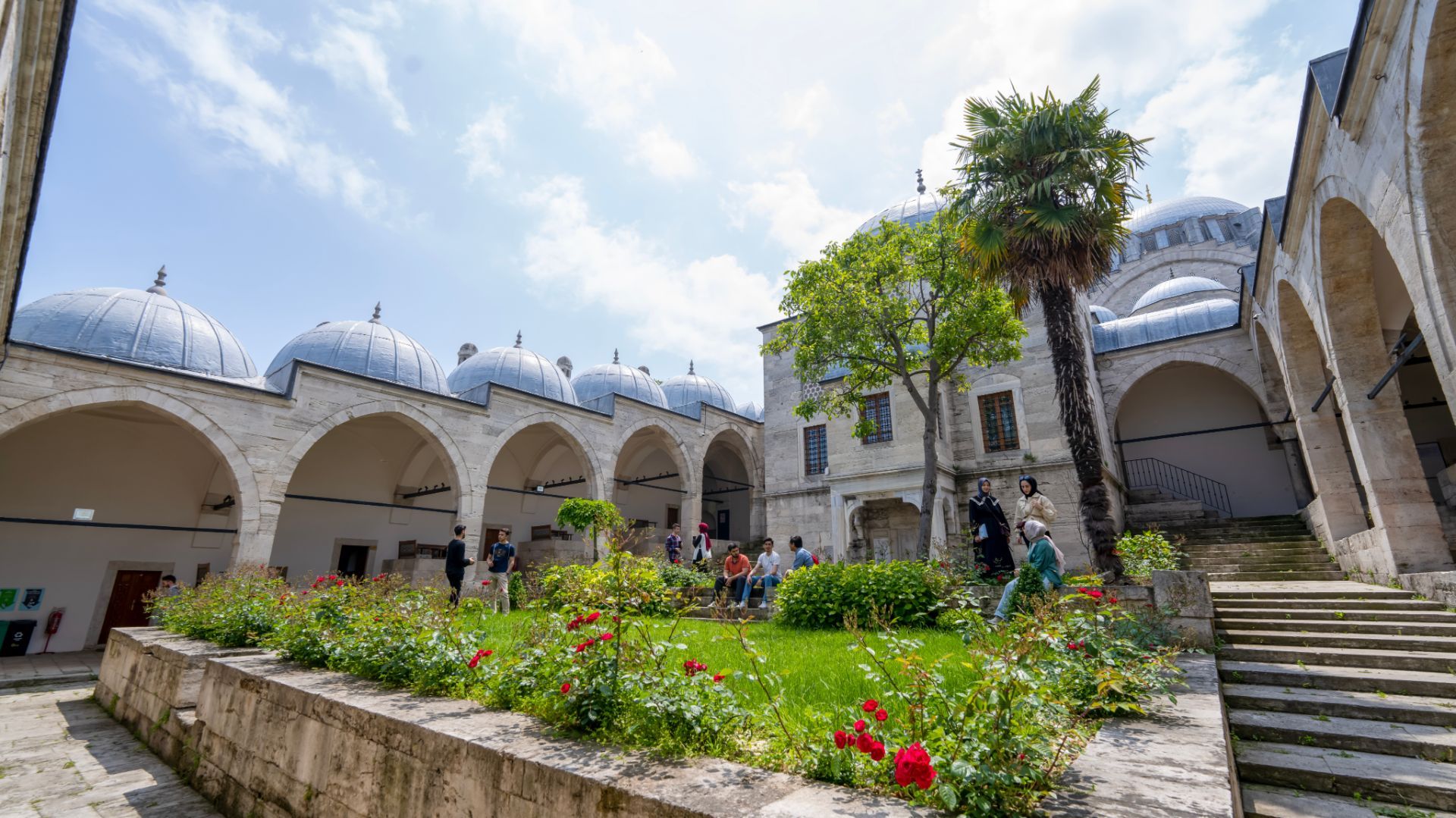
Eğitim, yüz yüze olarak İbn Haldun Üniversitesi Süleymaniye Kampüsü’nde gerçekleştirilecektir. Devam şartını yerine getiren katılımcılara Katılım Sertifikası verilecektir.
Apply Now

This course explores the social, cultural, and institutional impacts of war from 1800 to the modern era. Rather than focusing on strategy or theory, we examine how war has shaped and been shaped by human societies. We cover topics such as military recruitment, gender roles, civilian experiences, propaganda, state-building, resistance, and the aftermath of violence across different times and regions.

Day 1 – Introduction: Why Study War and Society?

  • Keegan, John. “The Face of Battle”. Penguin, 1978. Introduction, 13–32.
  • Bourke, Joanna. “An Intimate History of Killing”. Basic Books, 1999. Chapter 1, 7–34.

Day 2 – The Napoleonic Wars and Nationalism

  • Esdaile, Charles. “Napoleon’s Wars”. Penguin, 2007. Chapter 6, 197–226.
  • Broers, Michael. “Europe Under Napoleon”. Hodder Arnold, 1996. Chapter 8, 170–192.

Day 3 – Civil War and Modernization: The U.S. Case

  • McPherson, James. “For Cause and Comrades”. Oxford University Press, 1997. Chapters 1–2, 3–43.
  • Faust, Drew Gilpin. “This Republic of Suffering”. Knopf, 2008. Chapter 4, 92–120.

Day 4 – War, Gender and the Home Front in WWI

  • Grayzel, Susan. “Women and the First World War”. Longman, 2002. Chapter 2, 37–65.
  • Winter, Jay. “Sites of Memory, Sites of Mourning”. Cambridge University Press, 1995. Chapter 1, 15–41.

Day 5 – WWII: Total War and Genocide

  • Overy, Richard. “Why the Allies Won”. W. W. Norton, 1995. Chapter 4, 96–123.
  • Bergen, Doris. “War and Genocide”. Rowman & Littlefield, 2009. Chapter 6, 156–180.

Day 6 – War, Empire and Decolonization

  • Fanon, Frantz. “A Dying Colonialism”. Grove Press, 1965. Chapter 1, 27–51.
  • Connelly, Matthew. “A Diplomatic Revolution”. Oxford University Press, 2002. Chapter 5, 158–183.

Day 7 – Memory, Commemoration and the Aftermath of War

  • Mosse, George. “Fallen Soldiers”. Oxford University Press, 1990. Chapter 1, 1–23.
  • Bourke, Joanna. “Wounding the World”. Virago, 2014. Chapter 6, 160–189.

Day 8 – Global War and Society in the 21st Century

  • Kaldor, Mary. “New and Old Wars”. 3rd ed. Polity Press, 2012. Chapter 5, 95–118.
  • Moyn, Samuel. “Humane”. Farrar, Straus and Giroux, 2021. Chapter 2, 41–70.

  • Undergraduate students
  • Graduate students

The training will be conducted in person at Ibn Haldun University’s Süleymaniye Campus.

An 80% attendance requirement applies to the training. Participants who fulfill this requirement will be awarded a Certificate of Participation.

Language of Course: English
Tuition: 14.000 TL
Course Duration: 24 hours

Quota
The quota is limited to 25 participants, and the first 25 applicants who complete the payment will be admitted to the training. If the quota is filled, registrations will be transferred to the next program.

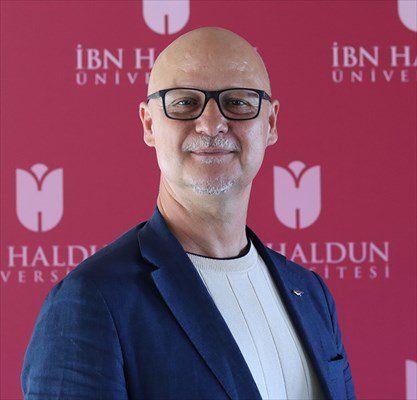
Coordinator of the Program: Assoc. Prof.  Günhan Börekçi
Lecturer: Assoc. Prof.  Günhan Börekçi

Final registration will be completed after payment is made. Participants who do not complete the payment will not be considered officially enrolled in the training.

About Refund
As our quota is limited, refund requests from participants who have completed their final registration by making the payment cannot be accommodated, except in emergency situations.

DATE DAY HOURS LECTURER
29th June 2026 Monday 14:30 – 17:30 Doç. Dr. Günhan Börekçi
1st July 2026 Wednesday 14:30 – 17:30 Doç. Dr. Günhan Börekçi
6th July 2026 Monday 14:30 – 17:30 Doç. Dr. Günhan Börekçi
8th July 2026 Wednesday 14:30 – 17:30 Doç. Dr. Günhan Börekçi
13th July 2026 Monday 14:30 – 17:30 Doç. Dr. Günhan Börekçi
16th July 2026 Thursday 14:30 – 17:30 Doç. Dr. Günhan Börekçi
20th July 2026 Monday 14:30 – 17:30 Doç. Dr. Günhan Börekçi
22nd July 2026 Wednesday 14:30 – 17:30 Doç. Dr. Günhan Börekçi

Training Venues

Our centers where this training program is offered

Our Instructors

You can review the instructors who deliver this training program.

Apply Now